
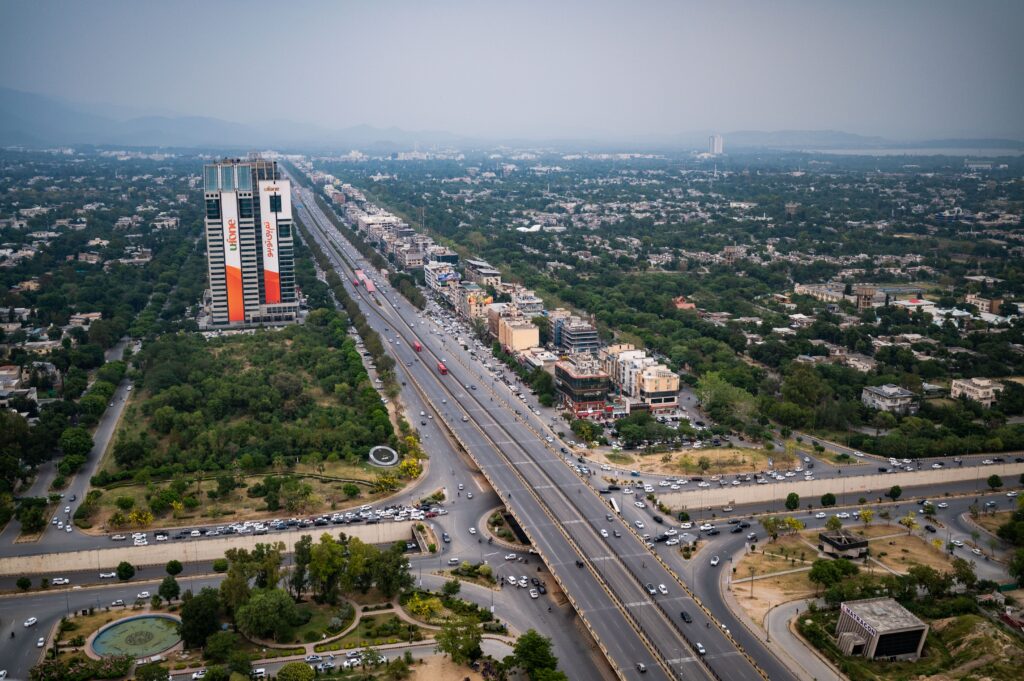
Islamabad is one of the best examples of a planned city. This city was planned and constructed to serve as the capital rather than developing gradually over the centuries like other capitals. It combines architecture and natural beauty with administration. Here is the history of the capital, its fame, and its climate throughout the year.
Islamabad – The Capital of Pakistan
The logic behind the choice of Islamabad as the first capital of the country before we go into details. After obtaining independence in 1947, the capital of Pakistan was Karachi, the biggest city in the country. The reason for building a new city instead of using Karachi was its location and security problems.
When Did Islamabad Become the Capital of Pakistan?
Islamabad became the official capital of Pakistan on the 14th of August 1967, which was exactly two decades after the country gained independence. Before this date, the city of Rawalpindi had been used as an interim capital since 1959, when Islamabad was being constructed.
Brief History
The concept of Islamabad came up in the late 1950s because of overpopulation in Karachi. The capital was then constructed in the northern part of the country close to the Margalla Hills. The construction of Islamabad started in the early 1960s. Thus, by 1966, all the main structures, like the Secretariat and Parliament House, were fully constructed.
Why Is Islamabad Very Famous?
The fame of Islamabad is not limited to its being the governmental seat. It is often considered one of the most beautiful capitals in Asia because of its greenery, large roads, and mountain surroundings.
Landmarks That Make the City Unique
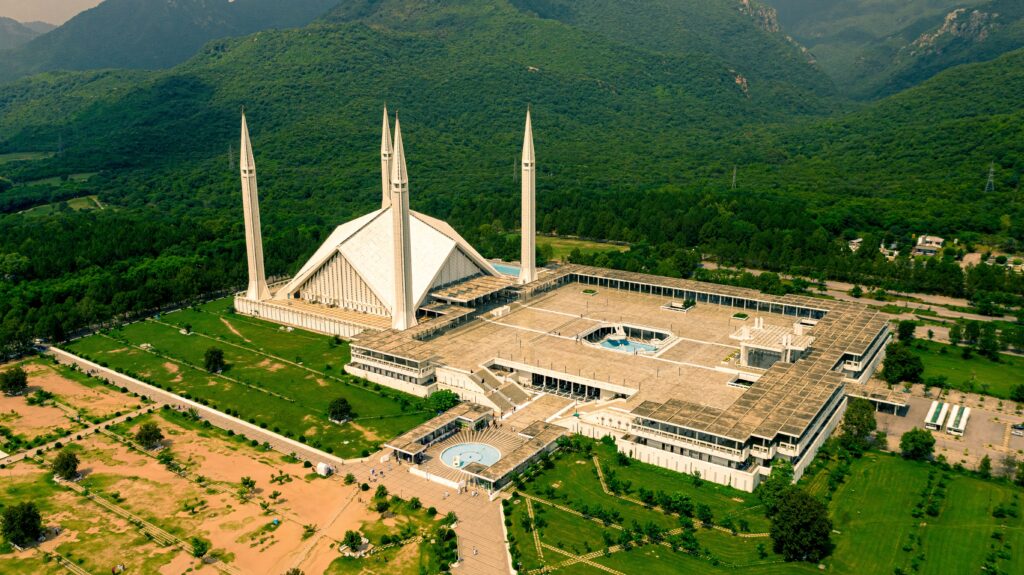
Several places help make the city known. Faisal Mosque is one of the largest mosques in the world. It is the most renowned symbol of Islamabad. There is Rawal Lake, where people can get some peace away from the bustle of city life. Margalla Hills have hiking trails offering an incredible view of the city below.
Islamabad Capital Territory Pakistan — A Planned City
Islamabad was developed in accordance with the grid-based sector system, where each sector had its own use, whether residential, business, or administrative. This is one of the reasons why the city of Islamabad is often noted as much cleaner and more organized than other large cities in the region.
Faisal Mosque — The Crown Jewel of the Capital
Sitting at the foothills of the Margalla Hills, Faisal Mosque can be easily distinguished from other buildings in Islamabad. Notably, the thing that makes Faisal Mosque different from other mosques is the absence of a dome. This architecture looks like a Bedouin desert tent, complemented with four gigantic 260-foot-high minarets. Back in 1966, Saudi Arabia’s King Faisal bin Abdul-Aziz visited Pakistan and contributed money for the construction of a national mosque in the country. Afterward, 43 projects were sent by architects from 17 countries, and the winner was the project developed by the Turkish architect Vedat Dalokay. Eventually, the construction work was completed in 1986. Faisal Mosque was the largest mosque in the world until 1993, when two larger mosques were completed in Saudi Arabia and Morocco, surpassing it in size.
Islamabad Weather Throughout the Year
The weather is a very important factor that affects the time when visitors decide to travel. Knowing about its climatic characteristics will help you plan your visit effectively. Check the weather here.
Climates of the Season
In Islamabad, there is a humid climate characterized by four different seasons. The summer season lasts from May to September, with temperatures higher than 35°C. It is characterized by the monsoon period lasting from July to September. The winter months are from November to February. However, spring and autumn offer the most enjoyable seasons for tourists.
Best Season to Visit
The best time to visit Islamabad is from March to April or September to October. The weather remains favorable, and outdoor sites like Margalla Hills and Rawal Lake become much more interesting to visit. A visit to the city during the peak summer or monsoon season will not be very comfortable.
Top 3 Places to Visit
1. Faisal Mosque
Faisal Mosque is the most notable landmark. The mosque stands at the foothills of the Margalla Hills. Faisal Mosque does not have a dome. The architectural design of the structure is very similar to a desert tent structure with minarets on all its corners.
2. Pakistan Monument
Pakistan Monument is a national landmark in Islamabad. It sits on the Shakarparian Hills. There are four huge petals in the structure. Each one symbolizes a province of Pakistan. Other smaller petals symbolize other regions of the country. This is to demonstrate that all provinces are united. The construction was completed in 2007.
3. Fatima Jinnah Park
The F-9 Park is one of the largest parks in Islamabad. Another name for this park is Fatima Jinnah Park. The park covers a huge area of green space. The location of this park is the F-9 sector of the city.
FAQs
Islamabad officially became the capital of Pakistan on 14th August 1967, replacing Rawalpindi, which had served as a temporary capital since 1959.
Islamabad is famous for being one of the world’s most beautifully planned capital cities. Furthermore, it’s home to landmarks like the Faisal Mosque, the Margalla Hills, and Rawal Lake, which draw visitors year-round.
Islamabad experiences a humid subtropical climate, with hot summers, a distinct monsoon season, and mild, pleasant winters — making spring and autumn the most popular times to visit.
Note: If you want to make money online, visit the 10 best side hustles to make money online.